I’m Chevy Chase and You’re Not

HPR I'm Chevy Chase (2025)

Movie review by Greg Carlson

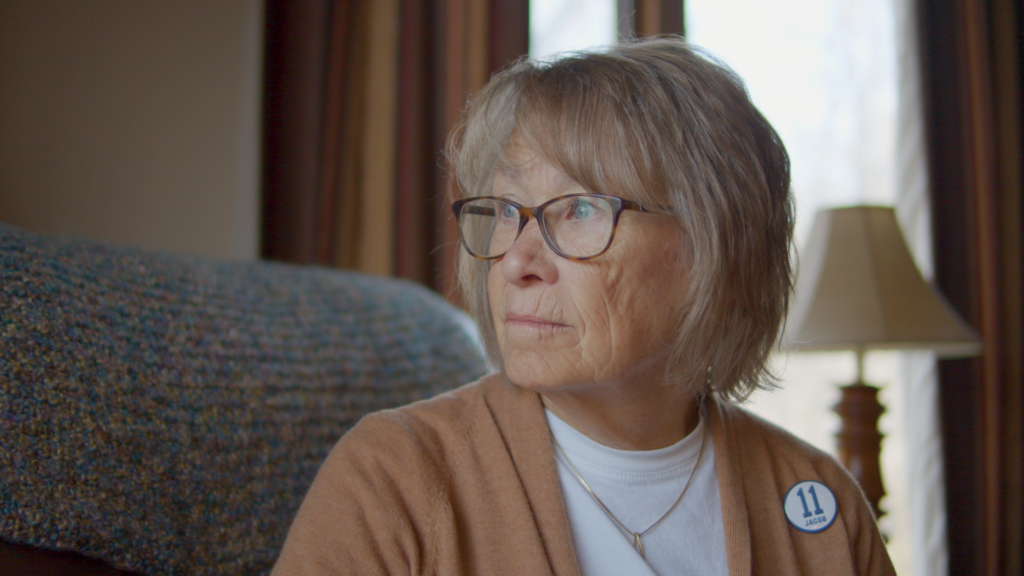
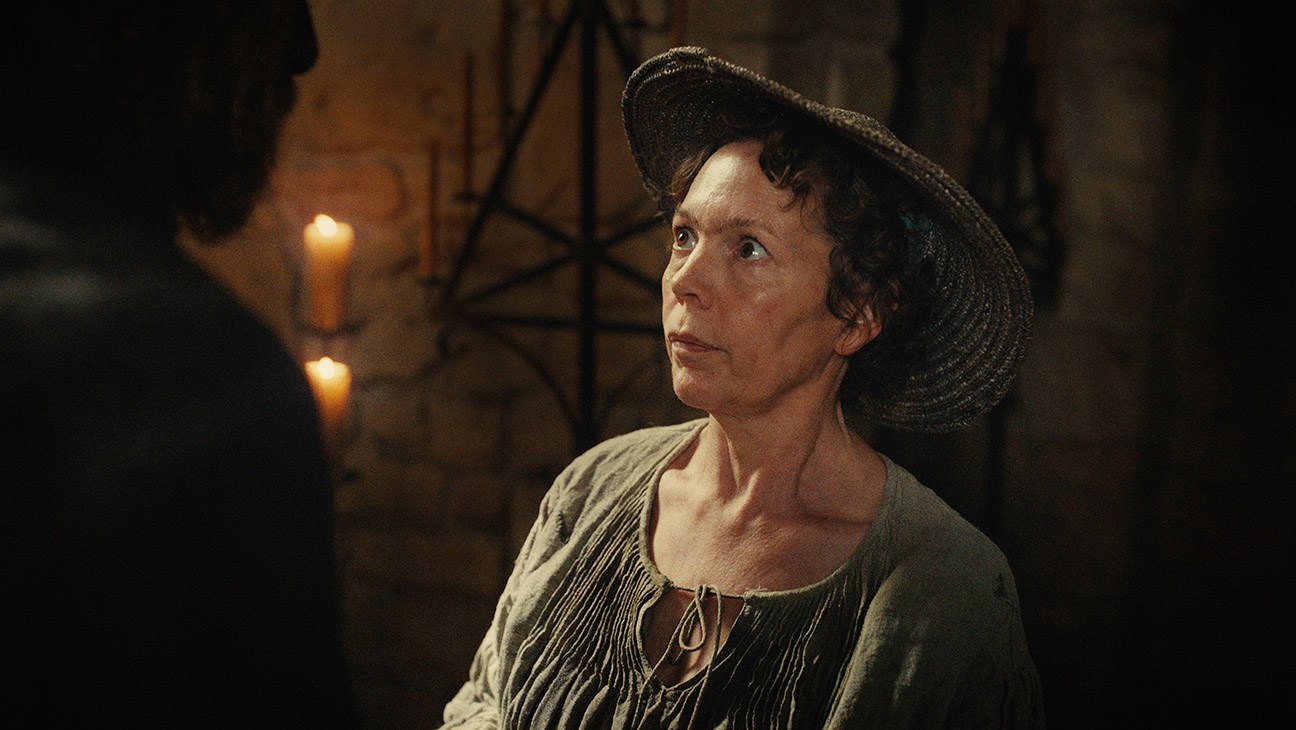
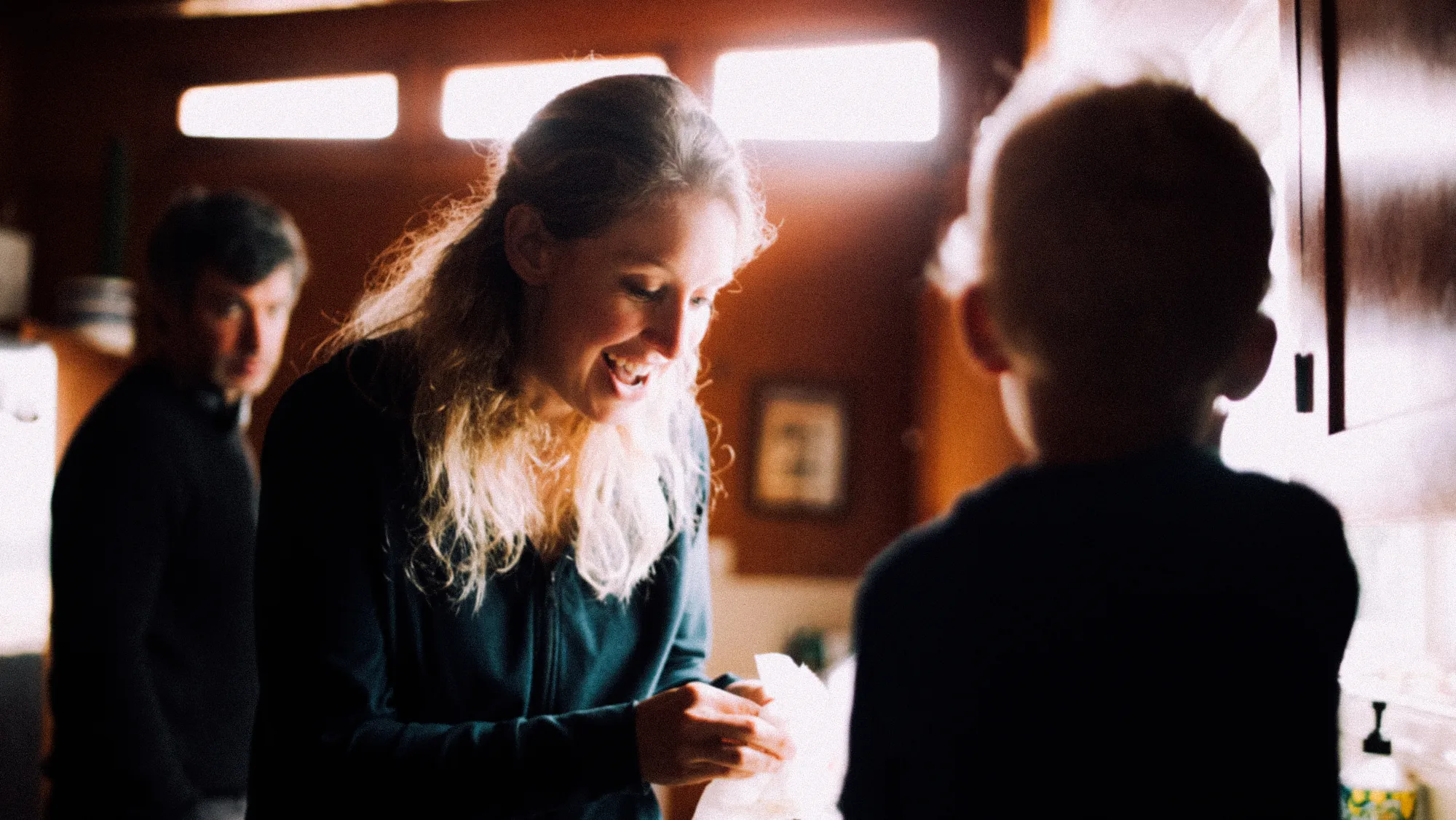
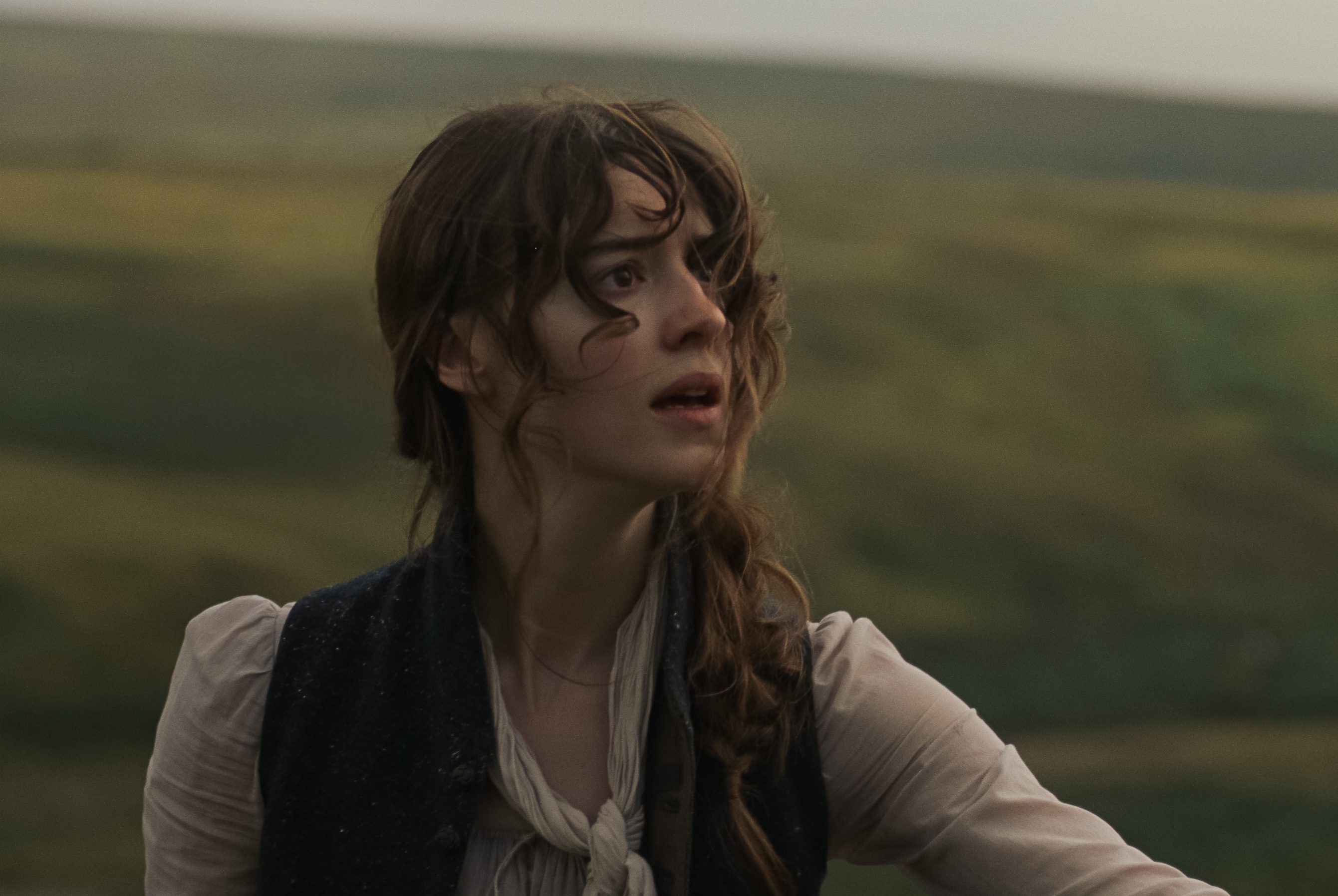
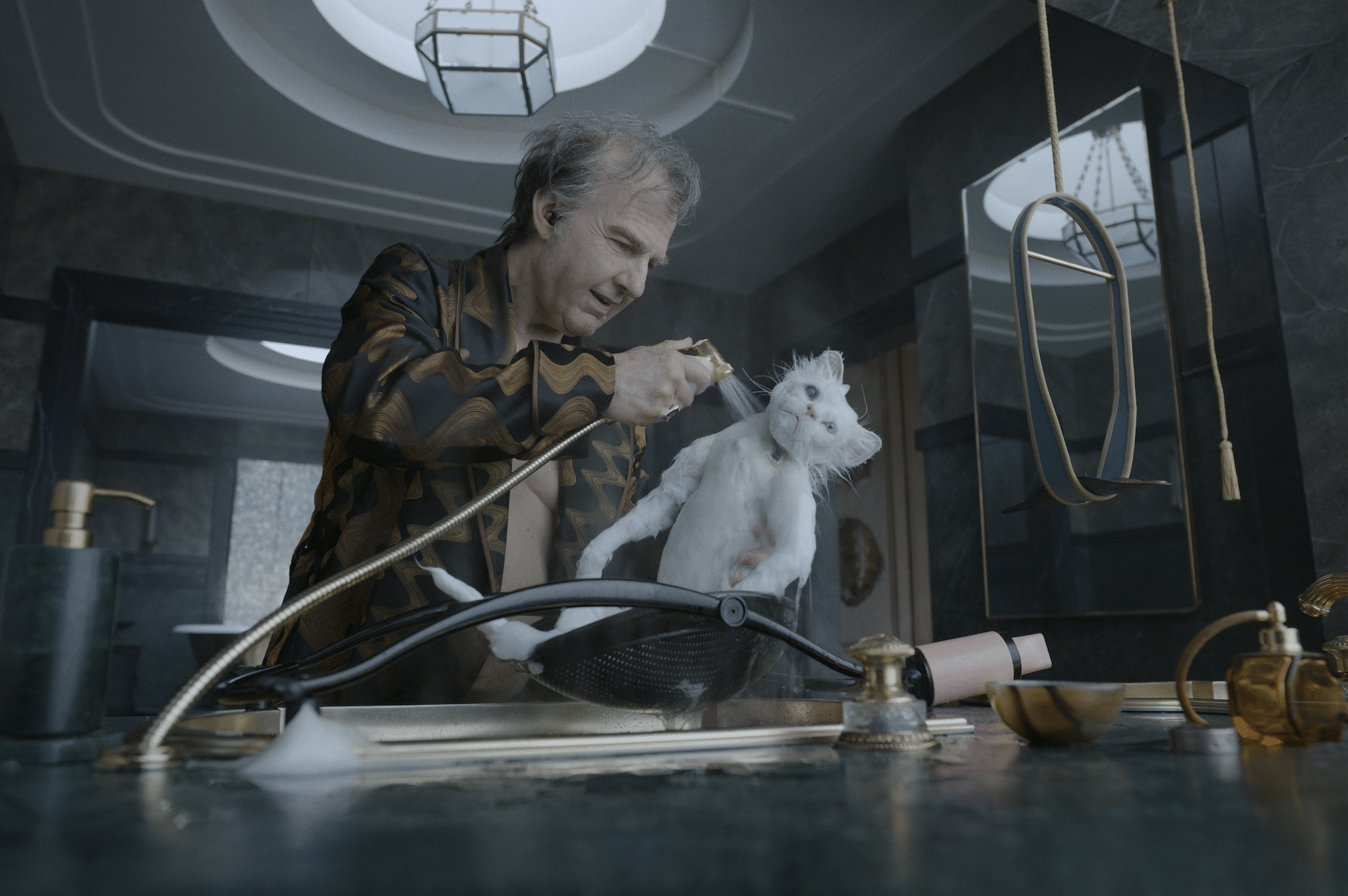
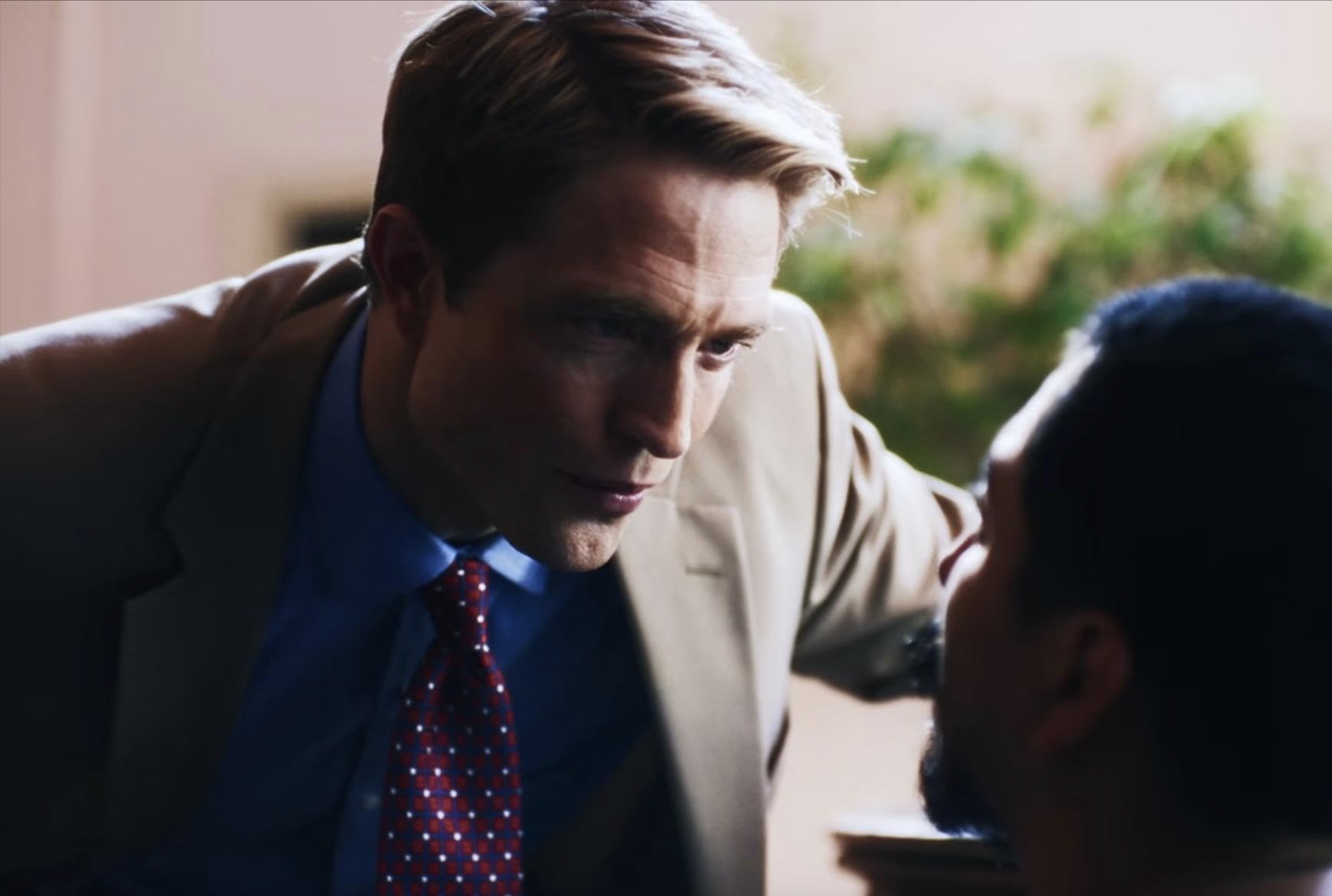
Veteran documentary filmmaker Marina Zenovich has chronicled a number of powerful men in entertainment, politics and popular culture, including Roman Polanski (twice), Richard Pryor, Robin Williams, Lance Armstrong, and Jerry Brown, so neither her most recent subject nor her methodological approach should surprise any viewers who have enjoyed her consistently watchable work. In “I’m Chevy Chase and You’re Not,” Zenovich continues her pattern of grappling with a complicated and divisive personality. Now in his early 80s, Cornelius Crane Chase has seen as many peaks and valleys as any seasoned mountaineer.

Coinciding with the film’s New Year’s Day premiere on CNN and eventual streaming home on HBO Max, a clip of Chase insulting Zenovich made the rounds. When the filmmaker remarks, “I’m just trying to figure you out,” Chase responds, “No shit. It’s not gonna be easy for you.” Zenovich replies, “Why not? Why is it not gonna be easy?” and Chase retorts, “You’re not bright enough. How’s that?” The moment sets a tone for the entire movie: Chase’s legendary cruelty and meanness is matched by his fearlessness and self-confidence, even if the former seems to mask some amount of deeply submerged pain or even self-loathing.

From the earliest days of Chase’s national profile as one of the original “Saturday Night Live” Not Ready for Prime Time Players, the performer’s mercurial career decisions left both industry professionals and fans scratching their heads. The initial breakout star of the series, Chase quit early in the second season. Several bridges were set on fire, but did not burn all the way through. Soon enough, Hollywood success would seem as effortless as the man’s ability to keep selling physical and verbal comedy that delighted millions. Blazing chops and a quick wit fit hand in glove with WASPy elitism and libidinous come-ons (as was the custom of the day). But Chase was just as adept at projecting frustrated middle-class dad energy, turning Clark Griswold into an all-time great.

Zenovich will later button up the movie with footage of Chase basking in the adulation of an enthusiastic crowd at one of the many semi-regular, victory-lap screenings of “National Lampoon’s Christmas Vacation” where the actor participates in a moderated conversation and audience Q & A. Curiously, the irascible old clown appears to enjoy it. Before we get there, however, the director plays Chase’s greatest hits and biggest bombs. Celebrity pals, wife Jayni and their three daughters bear witness to all manner of celebrity misadventure and hubris, from box office disaster and talk show-hosting embarrassment to longtime cocaine addiction and near-death hospitalization.

Chase’s infamous and tasteless homophobic bullying of Terry Sweeney during the former’s SNL hosting gig in the 1985-1986 season sets the table for another elephant in the room: the narrative surrounding Chase’s departure from “Community,” linked to an outburst in which he reportedly used the N-word. Since Zenovich was unable to convince Dan Harmon or any cast members to speak on camera, the segment is somewhat unsatisfactorily represented by Jay Chandrasekhar. Zenovich’s movie certainly isn’t the last word on its polarizing subject but it is a sturdy enough exercise in showbiz portraiture.

In Conversation With Peter Stormare

HPR Stormare 4 (2026)

Interview by Greg Carlson

The Fargo Theatre’s Centennial Film Series opens this Tuesday evening with a special 30th anniversary screening of “Fargo.” Nominated for seven Oscars, including Best Picture, “Fargo” received two Academy Awards: Frances McDormand was named Best Actress in her role as indefatigable Brainerd Chief of Police Marge Gunderson and Best Screenplay honors went to brothers Joel and Ethan Coen.

In the film, Peter Stormare’s taciturn Gaear Grimsrud may not deliver many lines of dialogue, but his onscreen presence is indelible and unforgettable. HPR film editor Greg Carlson spoke with Stormare ahead of his “return” visit to Fargo. The actor will participate in an on-stage Q&A following the April 14 screening. Tickets are available at the Fargo Theatre.


GC: We look forward to welcoming you to Fargo. Not only will you be reunited with the woodchipper and also see our Marge Gunderson statue, you are coming to a place with a very high concentration of people of Swedish descent.

PS: Yes, I see by your name that you’re not a Norwegian or a Dane with an “s-e-n.” You do it with an “s-o-n.”


GC: You grew up in a really small town in northern Sweden. How did you make it from a little village to the Royal Dramatic Theatre?

PS: I don’t know. When I was five years old, I told my parents that they weren’t my real parents, like every kid does. But I also said to my mother that my real mother lived in California. And when I get older, I’m going to reunite with my real mother in California.

My folks always teased me about it. “Oh, when are you going to move to California?” I said, “Stop teasing me about it. It’s real. I’m going to work in movies.” “You will have to take us out there one day once you make it there.”

It was a dream I had deep inside. I never talked much to anybody or my friends about it. But I told my parents when I was young, and I kept the dream alive.


GC: Did your parents encourage you or discourage you to follow that dream?

PS: I think they thought I was a little bit loony. They just shook their heads and laughed it away and said, “Yeah, he’s strange. He’s sitting in the attic in the dark, just looking at stars. So let him be. Let him fantasize while he’s still young.”

Eventually, I made it down to Stockholm. I started walking, more or less. And by a fluke, I got a ticket to go to the theater. I had just turned 20 when I saw my first play. It was like God had opened the gates for me and I came into heaven.

We have academies in most European countries, where you have ballet and opera singers and actors together with painters and choreographers in something like an academic community. You get a grant from the state to go to school.

It’s a great thing to be part of as a young person. I was only 21 or 22 when I got accepted. The first National Theater play I was in received rave reviews and became a huge hit that ran for several years. That was a great start for a new guy in town. And then I met Ingmar Bergman and started working with him in his productions.


GC: Bergman directed you in three big shows, right?

PS: More than three, but the big ones were “Long Day’s Journey Into Night,” “Miss Julie” and “Hamlet.” I mean, those were three giant leaps for me. And you have all the lines in your head at the same time while you’re rehearsing a fourth show during the day. So you have to hold four different scripts in your head.


GC: At this point in time, you’re performing “Hamlet” in Swedish. The Britt Hallkvist translation had been commissioned for this production. Did you prefer Hamlet in Swedish or in Shakespeare’s original English?

PS: We did a two-week run at the National Theater. I got to meet a lot of actors, like Anthony Hopkins and Helen Mirren, and Royal Shakespeare Company artistic director Peter Hall. Big, big stars I looked up to. They all wanted to see this completely new translation of Shakespeare.

Bergman really idolized Hallkvist. She had previously done many translations of Shakespeare. It was very special for me to contribute and be involved with the brand new “Hamlet” she wrote for us.


GC: What was different when you directed your own version of “Hamlet” at the Tokyo Globe Theater? 

PS: In Japanese, instead of rhymes they might use alliteration, which felt very strange at first. So I worked very closely with my assistant director, who was fluent in English and Japanese and also knew German.

It is easier working with a translator when you don’t have only one word but can circle a feeling with four or five different words. The translation we did was so poetic, so dreamlike.

The ghost was influenced by the old “Ugetsu Monogatari.” The ghost comes as three guys in white, with bandanas and white masks and a bow with arrows that are shot right over the audience, up to a styrofoam board. They speak their words simultaneously, which becomes very eerie.

Hamlet sees his father from the front with the three ghosts standing behind him. In Europe we have a harder time making a ghost believable. But that is not the case in Japan.  For them, it’s part of life.


GC: Right, things like yūrei and kami.

PS: One of my first questions to the translator was, “How is the ghost for you? Does the way we handle the ghost work for you?” And he said, “In my family, my father’s ghost comes and visits me. We have no problem dealing with ghosts.”

That production became a big hit. Japan appreciates and understands Shakespeare. When the box office opened, I looked outside and saw 200 kids between the ages of 16 and 24 lined up to buy tickets. And the shows usually sold out.

I’m married to a Japanese woman and I’ve spent so much time in Japan that it feels like I belong in Japan. Like I should have been born there. I think Shakespeare would have loved to see his plays being performed today in Japan.


GC: One of my favorite things that’s been said about you comes from the Fade to Black YouTube channel. I am paraphrasing, but it is this idea that you are like a stone dropped into still water. And that over the course of your career, you have mastered the art of creative disruption.

PS: I can have a long beard. I can have a shaved head. I can have a strange walk. I can be different in every part and have a different accent. I don’t want to fall into the trap of just being a money-making machine stuck in the middle doing the same thing over and over.

That has happened to too many American actors and it’s very sad to see. Some of them try to do different things but when they get bad reviews it’s back to playing the same old guy again.


GC: You also do so much with so little screen time.

PS: I don’t need to be Wayne Gretzky. I want to be the guy who passes the puck to Gretzky and makes the best assists. I want to come into a movie and not have the heaviness of carrying the whole thing. I don’t want the burden that if it flops, I’m dead. Or the pressure that if it’s good, I’ll have to do the same part again. I want to be the secondary guy who can really be a character.


GC: You’ve played Lucifer and Dracula and plenty of murderers. What is the appeal of the darkness?

PS: I think it comes from the stage. I don’t know if you direct as well, but if you put, let’s say, 100 actors on stage and ask them, “Who wants to play the Prince of Darkness?” you’re going to have 99 stepping forward. I think it’s very boring to do Prince White, the good guy.

A long time ago, I had a conversation with Harrison Ford and he said to me, “I’ve tried to play bad guys but when I do, nobody wants to see me in those movies. I always have to be on the good side.”


HPR Stormare 3 (2026)


GC: You’ve been featured in movies by Joel and Ethan Coen, Steven Spielberg, George Romero, Louis Malle, Terry Gilliam, and Lars von Trier, to name just a few. How do you like to be directed? 

PS: The best thing for an actor is when they’re properly directed. I learned this from Bergman. He built you a corral and said, more or less, “You’re a wild horse. And I’m not going to tame you. But this is your corral. It’s pretty big but I want you to stay inside it.”

He said, “My suggestion is that you do this and do this and do this. If you don’t like my suggestions, that’s fine, but don’t jump out of the corral. Don’t destroy the corral. You’re only one color. And there’s other people on stage, not just you.”

Like the Coen brothers, Bergman was very specific, like, “Lift the glass here” or “After you say that line, take the knife and then put it down and then say your next line.” But at the same time, if I didn’t like the way things were working, he would tell me to try something else.


GC: Not too many actors can say they have been directed by Ingmar Bergman and Michael Bay.

PS: When it comes to Michael Bay, as an actor, you can be an actor. Bay has been criticized and looked down upon, as if all he can do is stage action. I think he’s a very good director. He’s just as specific as Bergman and the Coens and he’s very thorough and he prepares like crazy.

Sometimes he just takes over the camera, starts to move it and says, “I’m shooting now, John.” And John [Schwartzman, the director of photography] gets pissed and says, “No, I want to shoot this one. You take the B-camera.” Bay knows exactly what he wants in every shot.


GC: You have more experience than some of your directors.

PS: It can be hard with younger, modern directors who have not done their homework. They have a digital camera. They can shoot 47 minutes without saying cut. And they have not done any prep.

It’s like you think you’re going to play soccer and then your coach announces you’ll be playing on ice. “Ice? Then shouldn’t we have skates? Shouldn’t we be playing hockey? What do you mean? We’re playing soccer on ice?” That can make you very insecure as an actor. And usually the results are bad.


GC: You’ve played scenes with some of the biggest stars in the business, from Robin Williams and Tom Cruise to Jeff Bridges and Arnold Schwarzenegger and Keanu Reeves and on and on. Who are some of your acting heroes? 

PS: I will choose two icons, one departed and one who is still here: the late Spencer Tracy and Clint Eastwood, who is still alive and kicking. One a legend and one a living legend. Inspirations for as long as I can remember, since I was a kid and started going to the movies.

Clint has something phenomenal in his way of being. From “Rawhide” to his films with Sergio Leone, you can observe him just breathing and believe that he will be able to say a lot without the need to use many words or talk all the time.


GC: The descriptive phrase that gets attached to you maybe more than any other is “quiet menace.”

PS: The audience will come to me if I’m quiet. Even if I only have two scenes in a movie, I try to work something in so the audience wants to see more of me. If nothing else, they go out after the movie ends and say, “Oh shit, I wish there were more scenes with that guy.”

My aim is not to steal the show but to at least make an impression. When I was younger and working with Bergman, there was a saying that if you take a question mark and you hang it upside down, like they do in the Spanish language, it becomes a hook. Don’t be afraid of being a question mark up there on stage or in front of a camera, because people tend to bite onto that hook.

Bergman might not show a face 100%. Maybe just half a face will be lit so the audience can use their imagination to add what the rest looks like. He would say, “Don’t give the audience everything because they have paid money and they want to use the fantasy and be co-writers of the story.”


GC: Are you a cinephile? Do you go out to see a lot of movies?

PS: No. I have claustrophobia. I’m afraid of people. I’m like a hermit. I don’t like movie theaters. I get annoyed if someone eats an apple like three rows away from me.


GC: Or talks or looks at their phone.

PS: Something inside of me turns anxious. I can occasionally go to a cineplex in the middle of the day if there’s only three other people in the auditorium and I can sit far away from them. I really should be fighting more for movie theaters but even as a kid it was hard for me to be among a lot of people.

These days I mostly watch documentaries because for me to see episodic series and movies, having been in the business so long, I recognize locations, I recognize people. “I’ve worked with him. I’ve worked with her. Oh, they’re in Toronto and pretending they’re in New York. That’s Vancouver. Oh, I know that spot. That’s Atlanta. Okay, now it’s Bulgaria standing in for New York.”


GC: Do you watch anything with your family?

PS: No, my wife and my kids don’t look at those kinds of movies. They have their own preferences. I think it can be hard to see certain things with your dad. My wife is more into Brazilian and French movies and has, you know, Japanese taste.


GC: You’ve described your wife Toshimi as an incredible chef. What’s your favorite meal that she makes?

PS: Something called oden, a one-pot stew with boiled vegetables that you eat with hot mustard. It’s like a peasant dish, a winter dish. But you can eat it all year round. It’s really great with an ice cold beer and daikon and all those good things they have in the broth. Oden connects you to the roots of Japan and what people ate in the old days when you cooked whatever vegetables you could find and made it taste good.


GC: You are a musician and I’ve seen a photograph of you wearing a Jesus and Mary Chain shirt and a more recent image of you in a Thin Lizzy shirt. What are the bands you can’t live without? 

PS: There are three bands for me, although Thin Lizzy might come in fourth. My life would not be as rich without the Beatles, the Clash and Nirvana. Those three bands have something in common: they broke new ground.

They wrote their own material and explored new avenues in music without just repeating what was previously successful. Unfortunately, Kurt Cobain took his life. He could have done so much more. But, just to dare to put together “MTV Unplugged in New York” … what a gift.


GC: Yeah, stunning, spare and transformational. It’s a timeless artifact.

PS: When you listen to the White Album, it sounds like it could have been recorded today and not close to 60 years ago. The Beatles were workhorses who would do it every day for up to fourteen hours. Even when they were fighting like crazy, they came in and made music together. In little more than 7 years, they released 13 albums. Where do you want to go? “Revolution 9” together with “Honey Pie.” What is going on here? How the hell could they do this in three months?

With the Clash, “Sandinista!” is one of the best things I could listen to. It’s innovative and improvised. It’s so in the moment and it turned out to be gold nuggets. With both the White Album and “Sandinista!,” some were saying, “No, no, this is too much, too many different directions.”


GC: I watched Peter Jackson’s Beatles documentary and marveled at the band’s working process. I gained a whole new level of love and appreciation for Ringo.

PS: Ringo is going to be the surviving member. As a kid, he was nearly declared dead several times. He doesn’t need to die anymore. I think he will survive to his hundredth.


GC: I hope so. I want to wrap up by saying we avoided talking about “Fargo” because you’re going to have a great Q&A when you’re here in a few days. And people are ready to hear your stories about that particular moviemaking experience. 

PS: Yes! We will let some new ones out of the closet.

HPR Stormare (2026)

Forbidden Fruits

HPR Forbidden Fruits 4 (2026)

Movie review by Greg Carlson

“Forbidden Fruits” practically begs for the grammarian’s old “which witch is which” query, given that Meredith Alloway’s wildly uneven feature directorial debut bounces from one genre to another and never quite finds a consistent tone or gear. The filmmaker’s game cast members, channeling the sensibilities of inspirations from “Heathers” to “The Craft” to “Jawbreaker” to “Mean Girls,” stretch out the frequently thin satire with generous mock seriousness. The principal quartet – all terrific – includes Lili Reinhart as alpha queen Apple, Victoria Pedretti as dim-bulb sex bomb Cherry, Alexandra Shipp as the brainier and more secretive Fig, and Lola Tung as newcomer/initial outsider Pumpkin.

Set in a Dallas, Texas shopping mall where Apple, Cherry and Fig clerk at the overpriced boutique Free Eden, “Forbidden Fruits” launches a full volley of putdowns and jabs aimed at a wide variety of targets. From toxic competition among good friends (who are anything but true-blue) to a critique of materialism and consumer culture in thrall to the worst features of mindless capitalism, Alloway initially indicates some interest in unpacking the difficulties and complexities of girlhood/womanhood in our artificial(ly) (un)intelligent landscape. Curiously, the movie also embraces a level of violence and gore arriving quite late in the story.

Viewers are invited to identify with the experiences of Pumpkin, who trades the unflattering paper hat of food court pretzelmaker Sister Salt’s for the chic attire worn by her new pals. Unfazed by the revelation that the Free Eden staffers operate as a coven of witches, Pumpkin soon discovers dark and unsettling secrets that deflate the phony sisterhood championed by her new coworkers. On paper, “Forbidden Fruits” promises enough over-the-top provocation to satisfy seekers of the weird and wonderful. And our actors never flinch at the most outrageous stunts, including a spell involving menstrual blood that caused one viewer in my screening to nope out.

Whether or not Alloway’s movie ever attains the kind of cult status enjoyed by some of her film’s cinematic influences, at least “Forbidden Fruits” demands a consistent level of attention. It’s a bummer, then, that the director’s visual instincts, or lack thereof, tend toward monotonous and flat compositions that stick to medium shots better suited to tablets and phones than the big screen. That approach is a shame, given the ability of any of the performers to partake in some serious scene stealing. Pedretti, whose oversexed Cherry channels the vulnerability of Marilyn Monroe while engaging in a raucous series of dressing room seductions, transcends her role’s vapid desolation.

Alloway co-wrote the screenplay with Lily Houghton, adapting the latter’s 2019 play “Of the Woman Came the Beginning of Sin, and Through Her We All Die.” As translated, the stage origins are impossible to ignore. South by Southwest hosted the film version’s world premiere just last month, ahead of a short theatrical window and an eventual home on streaming services (Shudder and the Independent Film Company are distributing). And while the bulk of the movie’s audience will discover it at home, “Forbidden Fruits” is best experienced in an auditorium filled with people gasping and laughing and injecting an energy upon which it desperately depends.

Alpha

HPR Alpha (2026)

Movie review by Greg Carlson

Filmmaker Julia Ducournau’s third feature, a mashup of body horror, family melodrama, and AIDS allegory set in a grim and gray dystopia, fails to live up to the promise of wild debut “Raw” and Palme d’Or winner “Titane.” “Alpha” premiered at the 2025 Cannes Film Festival and now makes its way through a stateside theatrical release sponsored by Neon. The wobbly screenplay, focused on the triangular dynamics connecting the teenage title character (Mélissa Boros) with her physician mom (Golshifteh Farahani) and addict uncle (Tahar Rahim), unfolds at a leisurely pace. Fortunately, the three central performances help to elevate Ducournau’s repetitious material.

More conventional and far less risky than either of Ducournau’s previous two movies, “Alpha” shows glimmers of promise as a bildungsroman for our unstable and politically charged times. Boros credibly pulls off the youthful naivete of a contemporary third culture kid, even though the obviousness of the HIV metaphor fixes the future in the past as an oddly anachronistic choice of central conflict. When dealing directly with Alpha’s frustrations at a duplicitous and immature secret boyfriend eager to sexually experiment, Ducournau inches closer to her wheelhouse. Far more scenes, however, burden the protagonist with the unfair responsibilities attending the fallout from Uncle Amin’s junk habit.

The fatherless Alpha discovers in her prodigal relative a friendly, if warped, parental figure. Mom’s commitment to the needs of dying patients comes first, even if Ducournau makes clear just how much Farahani’s unnamed character loves her only child. The frightening bloodborne plague imagined by the director slowly hardens and cracks the skin of sufferers. The frequently (but not always) convincing special effects suggest victims turned into shiny marble statues who cough small clouds of dust from their petrifying lungs. In the film’s most arresting moment, the muscles of a character’s back disintegrate during a medical examination.

While the world burns around them, Alpha and Amin take comfort in their fragile arrangement; for some reason, Ducournau cooks up a reason why the two must share a bedroom in an apartment easily large enough to afford more nocturnal privacy. The narrative flirts with the possibility that Alpha has also become infected with the deadly disease following an ill-advised tattooing with a shared needle during a house party. Niece and uncle often venture out to wander together. In one of the movie’s rare moments of relief from the heavy dread hovering over nearly every exchange, Ducournau drops the needle on “The Mercy Seat.” While a healthier and happier Amin and Alpha gambol on a soccer pitch, the director lets the lyrics of Nick Cave do the heavy lifting.

Unfortunately, Ducournau elects to mess around with the timeline just enough to confuse viewers with a fractured chronology that adds nothing to the tragedy (the five-year-old version of Alpha is played by Ambrine Trigo Ouaked). Alpha’s identification with Amin clearly frightens her mother. Our title character’s impulses toward self-destruction, or just the plain old stupid stuff that adolescents do, should have merited more scenes for Farahani to confront and interact with her character’s daughter in complex ways worthy of Ducournau’s talent.

Collecting Movies With Elizabeth Chatelain

HPR Collecting Movies With Elizabeth Chatelain (2026)

Interview by Greg Carlson

Filmmaker Elizabeth Chatelain returns to the Fargo Film Festival with the new feature “Bigfoot Woods,” screening on Saturday, March 21 at 1:30pm at the Fargo Theatre. She will be joined by several members of the production team for a conversation following the movie. HPR film editor Greg Carlson spoke with Chatelain about moviemaking, physical media, film studies, and their shared admiration for Richard Linklater.


Greg Carlson: How did you get into film? Can you tell us some formative early movie love stories?

Elizabeth Chatelain: I grew up going regularly to the movies. And one of my formative movie experiences was “Jurassic Park.” I sat in the dark of the theater and was just in awe of what I was seeing on the screen and just the magic of it. I know a lot of filmmakers have had similar experiences. That’s why we go to the movies.


GC: I can’t begin to imagine how many people have been inspired by seeing a Steven Spielberg movie on the big screen. Did you always want to make movies?

EC: It wasn’t until late in high school that I realized I wanted to pursue filmmaking. At the time it still felt sort of early to me because we didn’t have specific film classes at Fargo South High, which is a pretty big school. South did offer drama and music and other programs. And YouTube had just started.


GC: What was another movie that made an impression on you?

EC: This might sound like a weird reference, but I saw Richard Attenborough’s “Gandhi.” It has its problems, but I felt so moved by it. I was just a high school kid. The film is a giant biopic done on this massive scale and explored a world that I didn’t know very much about. I hadn’t yet traveled outside of the United States and Canada.


GC: Movies as windows to the world. When I was 10 years old, I begged my parents to take me to “Gandhi” in the theater. The depiction of the assassination gave me nightmares, but I did not want to tell them out of fear that they wouldn’t let me watch other “grown up” films. Fantastic that “Gandhi” inspired you to make movies. 

EC: Yes, I think I want to make films! As I was learning about it all, at first I thought I wanted to just produce, because I was pretty good at economics and I really loved movies. So maybe I’ll do that. I chose Middlebury College in Vermont because they had a film program, but it was more of a film and media culture studies program rather than production. But they did have a few production classes.

I took all the production classes that you could. And discovered that I really enjoyed making documentaries because it was the most accessible form of filmmaking.


GC: Had you made anything before Vermont? 

EC: My friends and I did a couple shorts on VHS, edited in-camera. One was for our orchestra class. We made a mockumentary about Beethoven, which was hilarious. I mean, to us, it was hilarious.


GC: I would love to see it. When did you make the leap to really understanding how to shoot and edit and put together a story? 

EC: As an undergrad, I took a lot of film analysis classes. I studied how film started, from the beginnings in the late 1800s to how editing evolved, how camerawork evolved. That was eye-opening for me. After that, it was just getting my hands on a camera. I think one of the biggest steps is just going out and working with the equipment.

And then when you find a story that speaks to you, that you feel like you have to tell, I think that’s really where you realize the impetus to move forward with the story and telling it in the form of film, which has sound, visuals, acting, movement, editing, all these different things.


GC: What did you watch in film class that stuck with you as a lesson for making your own movies? 

EC: Kieslowski, because of his use of visuals for storytelling and his use of abstract visuals.

In addition to the beauty of his work, there’s always this humanist element where all of the characters are struggling with something morally or ethically or philosophically or existentially. And he’s able to communicate that through extremely interesting visuals and sound. The Three Colors trilogy and “Dekalog.”


GC: I saw “The Double Life of Veronique” at the Fargo Theatre during my first year of college. Later, I also went to see all of the Three Colors films there. 

EC: And he started from a documentary background, which I feel like you can see in his work with the humanist element. He was very influential.


GC: Do you still collect movies? 

EC: I collected DVDs through college. And then I lived in India for a year, so I did not have my collection. I’m going back to buying DVDs, because I feel like what happens now is, I want to watch a movie and then I have to rent it for like $3 online for two days. I would rather own the physical DVD if I am going to watch something more than once.

When I came back to Fargo, I worked at Cash Wise Video and I collected a lot of DVDs during that time, because we would get discounts. After a couple months, when the rentals fall off, they downsize the extra copies. We could get them for really cheap. I acquired a lot of DVDs then. I have a lot of Criterion Collection. I remember those originating on LaserDisc, a format that was only around for a quick minute.


GC: I still have my LaserDisc player. My first experience with accessing audio commentaries. I collected a lot of Criterion discs. A really good audio commentary enhances your love and enjoyment and respect for the movie. I still listen to audio commentaries a few times a week.

EC: They’re so great. I remember specifically, when I was in college, I got the extended versions of “The Lord of the Rings” films with all the extras. You look at everyone working towards the creation of this amazing world, Hobbiton, and all these different places, and the armor and stunt work.

Everybody was so invested in making it come to life. And there’s something that’s super magical about that. So that was inspiring for me to watch, because I think sometimes we don’t know how much work and passion and care goes into something. Even on a small movie like “Bigfoot Woods,” collaborators share the vision.


GC: How do you accomplish that? 

EC: This movie was a little bit different for me, because for the most part, I direct films that I’ve written. I felt like it was incumbent on me to put forth the vision of the material that was in the script and be true to what the script was saying and asking for.

“Bigfoot Woods” definitely deals with some difficult themes and situations, but in general, it’s much more lighthearted. I challenged myself to think about how that would translate to a visual style. What visual style is best for telling this story?


GC: What was the first movie you bought with your own money?

EC: The first movie that I purchased on VHS was “Meet Joe Black.” Do you remember that one?


GC: Brad Pitt and Anthony Hopkins. Inspired by “Death Takes a Holiday.”

EC: Yes. I haven’t seen it in years. But at the time, to me, it was just a film that was a little bit weird.  I remember it being a little outside the standard film and that appealed to me.


GC: You must have had some of the staples as well.

EC: Of course. We grew up watching “Star Wars” and so many 80s classics, like “Stand by Me” and “The Goonies,” which  I watched a million times.


GC: What was a movie you went back to see multiple times in the theater because you wanted to chase the endorphins? 

EC: I feel like I’m totally embarrassing myself, but it’s “Titanic.”


GC: No, you should be proud! “Never let go.”

EC: It was a shared cultural experience. I went back multiple times with friends. Everybody was going to see it. The theater experience felt so different. I must have been 13 or 14. I could go and see it without my parents! It was larger than life. Those state of the art visual effects. And that love story!

HPR Collecting Movies With Beth Chatelain 2 (2026)

GC: A phenomenon, for sure. You later lived in Austin, Texas, a great cinema town. 

EC: I loved living in Austin. I think it has changed a lot in the last 10 to 15 years. But one of the coolest things I did there was work on the “Slacker 2011” project for the film’s 20th anniversary. A bunch of directors in Austin did different sections.

I was part of a group of young women at the University of Texas working on one segment. I was producing and someone else was directing, but I also worked on a couple of the other parts. And then they brought it all together and played it in theaters. It was a really cool experience because Richard Linklater is such an amazing filmmaker.


GC: He’s done so much for the Austin film scene.

EC: He has contributed so much and inspired so many filmmakers, really in multiple ways because he made super low budget films and then went on to make larger movies. He always gave back to Austin and co-founded the Austin Film Society and enriched Austin’s film community and independent filmmaking specifically. Very few filmmakers of his status have given back as much, especially to a specific place.


GC: Linklater had a really good year last year with “Nouvelle Vague” and “Blue Moon,” two movies that are so completely different stylistically. And yet they are both totally, wholly riveting.

EC: Absolutely. What a filmography: “Dazed and Confused” and “Boyhood.”


GC: And the genius of the “Before” trilogy. 

EC: There’s such range. He’s always experimenting and finding things that interest him and pushing himself and challenging himself and exploring things.


GC: Like the animation: “Waking Life” and “A Scanner Darkly” and “Apollo 10 ½: A Space Age Childhood.”

EC: He’s such a generous person as well, with his time and his resources and his connections. He’s definitely a filmmaker I look up to. Because of the idea that you don’t have to be stuck in a box and make only one type of movie over and over.


GC: Since you’d previously worked from material that you had written, how did you come into contact with the “Bigfoot Woods” script?

EC: Megan Huber, one of the producers on the film, had read some of my work and knew I was living in Minnesota, up here in Hibbing. Another director had been attached before me and a lot of things were lined up for making the film. They had the cinematographer and the costume designer and the production designer and were about two months from shooting.

I figured Megan was reaching out to talk about post-production because that’s usually what people call me about. She said, to my surprise, that they were looking for a director. I met with executive producer and co-writer Bruce Pavalon. He wrote the movie with his son Abel and I thought it was a story that needed to be told.


GC: Coming of age stories can feel urgent and vital. 

EC: My sister’s kid is in a challenging place right now. She’s 14 and figuring out her identity. There were a lot of things that I saw in my sister’s child that resonated with me in this script and through the main character of Bridget/Jonah.

I really liked Bruce and Abel and I felt honored that they would consider me to direct the movie. Bruce looked at previous work. I’ve worked with kids a lot. And I’ve worked with non-professional actors, often in North Dakota or Minnesota. And “Bigfoot Woods” is based up here. I think all of that spoke to him and he liked my vision. I also did a look-book and a pitch. I have to say, if I wasn’t living in Minnesota, I don’t know if they would have reached out to me.


GC: Right place at the right time.

EC: Exactly. You never know what’s going to come up.


GC: Ambrose Velasco Jenkins is really incredible as Jonah in the film. Was Ambrose attached to the movie by the time you came on board?

EC: They had started the casting but hadn’t finished. We went through several rounds for Bridget/Jonah. And Ambrose just really stood out to us as embodying this character and he had also gone through a similar transition.

He felt very close to the material. He hadn’t done a film before. He was very much a theater actor and had just started college. Now he’s probably 20, but at the time he was 18. Really smart, really bright, really emotionally attuned. And just had a very, very real connection to the character.


GC: How did Rich Sommer get involved? 

EC: The producers had some connection to him, probably related to the state, since Rich was raised in Minnesota and went to college there. All of us thought immediately that he would be perfect for the role. Just reading the script you can totally see Rich as this character.

I believe the material spoke to him. And he was game to go and shoot a movie in Ely. It is beautiful there. It was such a pleasure working with him. He’s so experienced and professional. Nails it in one or two takes.


GC: What is the rollout for “Bigfoot Woods” going to look like? We are excited to have it as part of the festival.

EC: The Fargo Film Festival is our world premiere. And then it will play in Minneapolis and Duluth. It will screen in Poland in April in four different cities. And we’ve submitted it to a bunch of other festivals, including some that are LGBTQ-focused.

Distribution has changed a lot in the last few years. I have been talking with a few other documentary filmmakers about coming together to see how we can collectively distribute our films. Maybe work with independent theaters to have screenings and also how to go about digital distribution. Online distribution is still a very new world.


GC: What are your hopes for the movie?

EC: What’s important to myself and to Bruce and Abel is to get the film out to kids and families going through similar experiences. The most powerful thing that Bruce told me when Abel first came to him and said, “I’m male and I want to transition,” was that his first thought was of “Boys Don’t Cry,” which is the biggest nightmare a parent could ever have. That story confronts you with the kind of danger faced by trans kids.

He wanted to make a film that was positive and hopeful and affirming for kids who are gender nonconforming and trans. Something where they’re authentically reflected. It’s a really difficult time to be a teenager right now. One of the best things that could have possibly happened was when my sister’s kid watched a rough cut with me and at the end, asked, “Can I show this to my friends?”

Beth 3 (2026)

Tickets for “Bigfoot Woods” are now on sale at the Fargo Theatre box office. You can find more information about the 2026 Fargo Film Festival here.

Slanted

HPR Slanted (2026)

Movie review by Greg Carlson

A number of critics and media outlets have already noted the variety of cinematic antecedents that have influenced writer-director Amy Wang’s movie “Slanted,” pointing out how the story of a frustrated teenager mashes “Mean Girls” with “The Substance” in a body horror package that misses the bullseye. Wang borrows peak prom humiliation from “Carrie,” but her film lacks the depth of characterization for any of the social commentary to penetrate with the kind of incisive sting found in the work of Jordan Peele. “Slanted” premiered at SXSW in March of 2025 and now finds its way to theaters one year later.

The talented Shirley Chen, who made a splash in “Beast Beast” and “Didi,” portrays protagonist Joan Huang, a Chinese-American adolescent whose white peers have long discriminated against her on the basis of her physical appearance. Desperate to have a shot at being crowned prom queen, Joan tricks her mother into giving consent for ethnic modification surgery that results in a radical transformation. Now passing as a white girl rechristened Jo Hunt (and played post-operation by Mckenna Grace), Joan cozies up to popular alpha Olivia (Amelie Zilber) before her actions prove that you should be careful what you wish for.

Wang uses the relationship that Joan shares with her parents (Fang Du and Vivian Wu) to explore the domestic aftermath of her physical metamorphosis, feeling out the upsetting absurdity of encountering an “imposter” before mom and dad start to reckon with their beloved daughter’s choice to so forcefully reject their heritage and personal history. These scenes, which alternate with the development of Joan/Jo exploring the newfound privilege of whiteness in a white world, should be the place where Wang digs into the toughest and most substantive issues revolving around the difficulties faced by third culture kids.

Instead, despite Du and Wu doing everything in their power to overcome the thinly-realized parts, Wang shifts our attention to the academic setting. We shouldn’t demand too much logic from such a wild, science fiction-adjacent premise, but none of the staff, teachers, or administrators at Joan’s school question the timing of her disappearance or the arrival of Jo as a “new” student. Only Joan’s friend Brindha (Maitreyi Ramakrishnan) keeps up with the viewer by sniffing out the truth. The depiction of their friendship is another squandered opportunity, as Wang fails to make space for Brindha to confront Joan with thoughtfulness that might require some painful self-reflection.

The ugliness of racism shows up on several rather curious occasions. Of these, a bleakly comic karaoke music video called “It’s Good to Be White” trumpets the joys of white supremacy, taking center stage in one of the film’s most unsettling scenes. But Wang plants additional markers of America’s awful tendency toward bigotry and intolerance. For example, the mascot of Joan’s high school is the Wizards, but the logo looks more like a Klansman than Merlin the Magician. The blonde homogeneity of Olivia’s clique has a whiff of Stepford Wives-style conformity, especially when everyone shakes their dressing and salad containers in the lunchroom. These touches, however, are spaced far enough apart that we frequently second-guess Wang’s intended tone.

The Bride!

This image released by Warner Bros Entertainment shows Jessie Buckley in a scene from "The Bride!" (Warner Bros Entertainment via AP)

Movie review by Greg Carlson

Before she takes the stage of the Dolby Theatre on March 15 to collect her Oscar for Best Actress in a Leading Role for her work in “Hamnet,” Jessie Buckley will find a few new fans as she transforms into the title monster in writer-director Maggie Gyllenhaal’s “The Bride!” Buckley’s vigorous portrayal of both Mary Shelley and the wholly cinematic sequel concoction designed as a “mate” for Christian Bale’s Frank pays tribute to Elsa Lanchester’s double duty in James Whale’s legendary 1935 extension. It is just the first of many intertextual references made by Gyllenhaal in her ambitious and chaotic feminist battle cry. Gyllenhaal previously directed Buckley to a Best Supporting Actress Academy Award nomination in “The Lost Daughter.” They make a formidable team.

Set in the world of Chicago mobsters in the year following the release of the original “Bride of Frankenstein,” Gyllenhaal’s handsomely realized environs quickly sketch a multitude of dangers for women trying to get by in a man’s world. Buckley’s good-time girl Ida, no shrinking violet, immediately runs afoul of a boss named Lupino (Zlatko Burić), who doesn’t give a second thought to killing anyone who rubs him the wrong way. The loss of Ida’s life will perhaps be Frank’s gain, as the re-animated corpse calls upon the scientific know-how of colleague Dr. Euphronious (Annette Bening) to resurrect Ida in the same manner that previously brought him back from the dead.

With no recollection of her life as Ida, the young woman eventually takes on the moniker Penelope, and Buckley’s ability to channel several accents, dialects, and personalities transcends her own performance in “I’m Thinking of Ending Things.” Gyllenhaal clearly has a cinephile’s affection for the early sound era. The filmmaker writes several of her characters as movie-mad filmgoers who frequently end up at the bijou or the drive-in to watch the latest confections starring Ronnie Reed (Jake Gyllenhaal), an all-singing, all-dancing matinee idol. Along with these movie-within-the-movie homages, “The Bride!” envelops “Puttin’ on the Ritz” in a warm embrace of “Young Frankenstein” and builds a transfixing sequence around a 3D presentation of Bela Lugosi’s “White Zombie.”

Outside of the many “Frankenstein” tributes (Bale’s nose reminded me of Dick Briefer’s Prize Comics variant), Arthur Penn’s “Bonnie and Clyde” makes the biggest impact on Gyllenhaal. But where the 1967 movie is a master class in pacing and character dynamics, “The Bride!” struggles to move with the same propulsive force and emotional urgency. Penélope Cruz and Peter Sarsgaard, pursuing our protagonists, never muster the “His Girl Friday” energy Gyllenhaal yearns to communicate as Cruz’s Myrna Malloy (no Myrna Loy or Rosalind Russell) ascends from assistant to lead detective.

With a terrific cast and plenty of stylistic elements in the win column, “The Bride!” is more muscular in concept than execution. Gyllenhaal’s screenplay is in desperate need of another draft or two. Once Bening disappeared from the story, I lost all hope that her Euphronious would live up to the indelibly queer stamp of Ernest Thesiger’s unforgettable Dr. Pretorius. Whale’s “Bride of Frankenstein,” which only gives Lanchester’s iconic creature a few minutes of screen time (but oh, what she manages in those precious seconds!), is ripe for a re-imagining placing the female creature at the heart and the center of the universe. “The Bride!” is, ultimately, not that movie. Even so, I greatly admire Gyllenhaal’s chutzpah. And any movie that ends with a “Monster Mash” needle-drop can’t be all bad.

Cover-Up

HPR Cover Up (2025)

Movie review by Greg Carlson

The great documentary filmmaker Laura Poitras had to work diligently to convince Pulitzer Prize-winning journalist Seymour Hersh to be the subject of one of her films. Most accounts and reviews of “Cover-Up,” the movie that would eventually be born from a collaboration between Poitras and co-director Mark Obenhaus, describe the famous investigator as a reluctant participant. Whether out of a desire to protect the identities of the often anonymous sources with whom Hersh interacts or a tendency to avoid revealing too much (or much of anything) about himself, Hersh’s skepticism layers the story with the overall aura of integrity that readers have associated with the man’s work since his reporting on the Vietnam War.

Poitras and Obenhaus are granted access to Hersh’s files and notes (the participation of Obenhaus, a longtime Hersh colleague, has been described as the factor that ultimately sealed the deal to finally get the movie made), and the filmmakers dig into their research in much the same manner Hersh would apply to his own dogged and indefatigable sleuthing. While the film focuses on the most significant milestones in the man’s decades-spanning career, “Cover-Up” includes a satisfying amount of personal background that humanizes Hersh with anecdotes about his childhood, including the astonishing tale of the decision for Seymour to work in the family dry cleaning shop on Chicago’s South Side because his folks only had enough money to send Seymour’s brother to college.

Fortunately, Hersh’s insatiable curiosity and thirst for knowledge would eventually lead him from Hyde Park High to the University of Illinois Chicago and the University of Chicago, where he would earn a history degree in 1958. In candid on-camera interview segments, Poitras and Obenhaus know when to get out of Hersh’s way, which is most of the time. The directors can’t possibly hope to uncover every aspect of their subject’s wide-ranging and very long list of important publications, but even the greatest hits should provide viewers with the raw material to inspire much-needed critical thinking. Some will surely long for more news-hounds in the tradition of Sy Hersh, especially in an age when it seems like every major media outlet is committed to controlling narratives that protect billionaire interests and owners.

The story of Hersh’s writing about the unconscionable war crime we call the My Lai Massacre – the largest confirmed mass killing of unarmed citizens committed by United States military forces in the 20th century – unsurprisingly emerges as one of the central segments of “Cover-Up.” Poitras and Obenhaus smartly connect the dots by keeping Hersh’s working methods as simple and straightforward as this kind of presentation allows. Poitras knows plenty about high stakes. Coverage of Edward Snowden and mass surveillance in “Citizenfour” (2014) put her own freedom at risk; Poitras has been repeatedly detained and harassed by the United States government.

“Cover-Up” addresses the elimination of a chapter from Hersh’s 1997 book “The Dark Side of Camelot,” recognizing that long before the firehose of disinformation and obfuscation reached its current levels of pressure, the verification of facts as an essential part of the journalist’s process can frustrate even the most careful writer. Without explicitly calling out the daily dose of Orwellian absurdities spewing from the mouthpieces of the current administration, Poitras and Obenhaus make clear that whistleblowers and leakers willing to trust people like Seymour Hersh are a vital resource in the forever war being waged on disclosure, accountability, and transparency.

Midwinter Break

HPR Midwinter Break (2026)

Movie review by Greg Carlson

In what turns out to be a safe, sedate, and fairly dusty two-hander, novelist Bernard MacLaverty adapts his own 2017 book “Midwinter Break” with co-screenwriter Nick Payne. Experienced theatre director and first-time feature filmmaker Polly Findlay guides veteran talents Ciarán Hinds and Lesley Manville in their roles as Gerry and Stella, a long-married couple whose crumbling union reaches a critical point during an Amsterdam vacation. Admirers of MacLaverty’s original story, which alternates between the viewpoints of the key characters, may be more forgiving than audience members coming in cold, but Findlay’s reserved style only underlines the somnolence.

Although neither performer can be faulted for the steady, polished work delivered in “Midwinter Break,” Hinds and Manville have appeared in any number of far superior films. Both actors have been directed by Paul Thomas Anderson, who steered Manville to an Oscar nomination for her portrayal of the Mrs. Danvers-esque Cyril Woodcock in “Phantom Thread.” Hinds, as the principal character’s grandfather in Kenneth Branagh’s “Belfast,”  has also been nominated for an Academy Award. Together, they ring true as lovers who have grown cold and distant, even if they continue to treat one another with courtesy.

Rather than a complex and nuanced presentation of spousal disharmony, “Midwinter Break” opts for a hammer instead of a scalpel. Stella struggles to cope with Gerry’s fondness for alcohol while Gerry can summon little to no respect for Stella’s churchgoing and religious devotion. Periodically, flashbacks link the present to the past: Gerry and Stella, who currently reside in Scotland, left their home city of Belfast following trauma that haunts Stella decades later. The details of that fateful instant, which involve an unborn child and a desperate prayer, are not particularly revelatory, but Findlay stretches them out anyway.

Shot on location, “Midwinter Break” attracts the eyes of those who have been to Amsterdam and those who would like to go (hopefully, under more joyful circumstances than those experienced by Gerry and Stella). When not shown in their modest hotel room, the tourists take in the sights of canals and churches, strolling through the Red Light District in a scene that comes complete with amusing historical commentary. More sobering is the stop at the Anne Frank House, an experience that reminds Stella about the fragility of existence, the promise of children, and the inexplicable ramifications of violence on the innocent.

Even though it is nowhere near as singular as Nicolas Roeg’s hypnotic “Don’t Look Now,” “Midwinter Break” draws some unfavorable comparisons to the 1973 thriller adapted from the Daphne du Maurier short story. Both stories contemplate marital stress from the vantage point of geographical displacement in popular tourist destinations. Both films leverage spirituality and religious faith as counterweights to ongoing grief/guilt. The couples in both narratives take refuge in sex, despite ongoing internal and external strain on their partnerships. But “Midwinter Break” is familiar and uneventful where the far more impressionistic “Don’t Look Now” is consciously outré.

“Midwinter Break” isn’t designed to show off the domestic melodrama fireworks that juice so many memorable cinematic cousins, from “Scenes From a Marriage” to “Kramer vs. Kramer” to “Blue Valentine” to “Marriage Story.” The kind of long-simmering acrimony that ignites raging, tearful confrontations is, by design, held mostly in check by Findlay and her leads. I’m not necessarily arguing that scenery-chewing brawls are required for “Midwinter Break” to succeed. Hinds and Manville, however, deserve the kind of next-level dialogue worthy of their supreme skill.

Wuthering Heights

HPR Wuthering Heights Rain (1)

Movie review by Greg Carlson

Literature purists who will judge Emerald Fennell’s decadent, gorgeous, horny, and high-calorie interpretation of “Wuthering Heights” on the basis of its fidelity to the 1847 novel by Emily Brontë are certainly not the principal demographic sought by the new movie’s exhibitor. And anyone who admired the audacity of the Academy Award-winning filmmaker’s previous two features – “Promising Young Woman” in 2020 and “Saltburn” in 2023 – could have guessed that Fennell would certainly take the kind of wild liberties embraced by artists like Ken Russell and Baz Luhrmann and Sofia Coppola. The result is a personal recital that frequently discharges electric sparks, even if many of Brontë’s complexities and challenges are diminished.

The casting of current Oscar-nominee Jacob Elordi stirred up minor controversy based on Brontë’s descriptions of Heathcliff as a “dark-skinned gypsy,” but Fennell seizes on her “Saltburn” performer’s brooding intensity and stunning beauty. The always untrustworthy publicity machine, planting stories about the strain on co-star and three-time Oscar nominee Margot Robbie’s marriage caused by her steamy chemistry with Elordi, is as classic Hollywood as the physical looks of the pair. Decked out in costume designer Jacqueline Durran’s dazzling frocks and tailored finery that match the swells of Charli XCX’s fantastic songs and the anachronistic appointments of an opulent Thrushcross Grange, Catherine and Heathcliff look smart in any state of (un)dress.

Like many of the book’s cinematic adaptations, including William Wyler’s famous 1939 edition and Luis Buñuel’s 1954 “Abismos de pasión,” Fennell entirely skips the second half of the novel, depriving the audience of the relationship that develops between Catherine’s daughter Cathy Linton and Heathcliff’s son Linton Heathcliff. If only Brontë could have seen the havoc wreaked by her naming conventions on generations of readers! The core conflict is intact: Catherine betrays her love for Heathcliff by marrying Edgar Linton. Fennell also capitalizes on the dramatic return of a now-wealthy Heathcliff several years after the wedding, as well as the chaos resulting from the subsequent spite marriage of the brokenhearted Heathcliff to Catherine’s sister-in-law, although for some reason Fennell makes Alison Oliver’s Isabella the “ward” of Shazad Latif’s Edgar rather than his sibling.

Beyond that, the bets are off. The director goes all-in on a torrid affair between Catherine and Heathcliff that unfolds as between-the-lines and between-the-sheets lemon-shaded fanfic existing entirely outside Brontë’s boundaries. And for many, this will be the modification that makes or breaks one’s embrace and enjoyment of the Fennell variation. While I appreciate the radical and the innovative – “Wuthering Heights” has been brought to the small and big screen several dozen times, so why not try something fresh? – the mighty power contained within the adage “You can’t always get what you want” infuses the original story of the doomed lovers with spectacular energy. On the other hand, Fennell’s onscreen dollhouse metaphor extends to her own cinematic playroom.

In January of 1848, the reviewer published in “Douglas Jerrold’s Weekly Newspaper” anticipated 175+ years of fascination: “In ‘Wuthering Heights’ the reader is shocked, disgusted, almost sickened by details of cruelty, inhumanity, and the most diabolical hate and vengeance, and anon come passages of powerful testimony to the supreme power of love – even over demons in the human form.” Our filmmaker clearly understands at least this much, hot-wiring the toxicity and proximity of so much passion and loathing in a manner that I like to think would amuse Ms. Brontë in many respects.

For Fennell, moor is more.